


Tips and Tricks for Trout Fishing
 Trout are a very special kind of fish that live almost exclusively in fresh (not salty) water. However, some species of trout, like the rainbow trout, can spend up to two years in saltwater and spend most of their lives in brackish water. Trout always spawn in fresh water, though, so it is much easier to catch them in lakes or rivers than in the ocean or sea. But the best thing about trout is that they tend to put up a fight when they are caught with a hook and line. This makes trout fishing an exciting adventure with every bite, and it’s the main reason that trout fishing is such a popular sport!
Trout fishing, especially if you are a beginner in the sport, can seem quite daunting and challenging at first. There are so many new things to take into consideration, so many new skills to learn, and so many hours to spend practicing and perfecting these skills before you can have a successful and effective turn at trout fishing. In this article, we’ll explore some of the best tips and tricks for effective trout fishing so that you can get ahead of the game as you begin your journey as a trout fisherman!
Learn the Basics First
Before you can set out on the stream and get started right away, you have to take some time to learn some of the basics for trout fishing. One of the most important things that you should learn before heading out for a day of fishing is how to tie a clinch knot. This is the knot that you should use to tie your hook to the fishing line. Unlike the typical “granny knot,” the standard clinch knot offers much more strength and security for your line. This way, the trout are much less likely to get away with free lunch!
Aside from learning how to tie a clinch knot, you should also ensure that you have the proper time to practice skills such as assembling your equipment, casting your line, hooking your bait, and reeling the line back in. If you take a little bit of time to master these skills before you set out to the stream, you’ll be sure to have an easier time catching trout!
Get a Little Help from a Pro
 For beginners, one of the best places to get help is from people who have been trout fishing for a while. You can find these people in most fishing equipment supply shops, or around popular trout fishing spots. Trout fishing enthusiasts are usually excited to share their knowledge and experiences with beginners in the sport. You can ask them a whole host of questions and expect answers that reflect their experience. However, you should be a little wary of the people who work in fishing supply shops, as they may be tainted by their desire to sell you equipment.
Use a Fish Finder
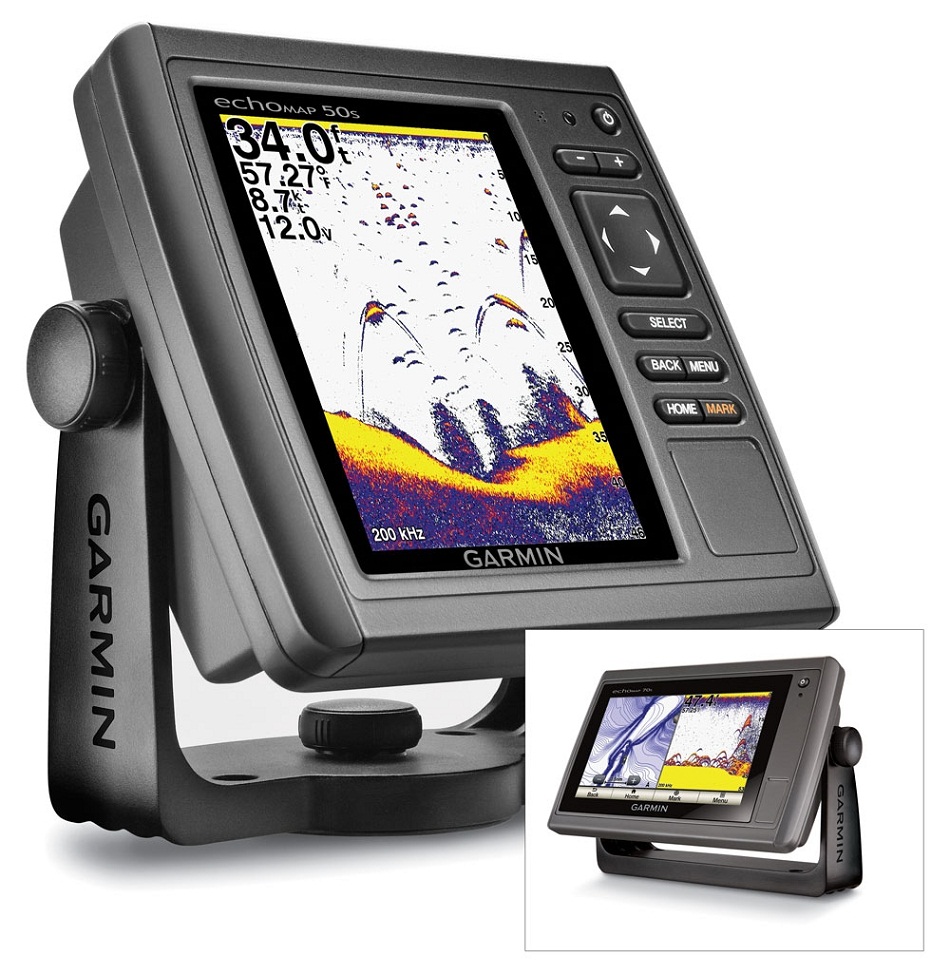 You might find it a bit tricky to locate trout at first. However, the secret is to find the places where the trout are their spawning and hunting areas. Electronic fish finders are a great tool for locating these places where fish are more likely to be biting. Whether you are fishing from the shore or from a boat, an electronic fish finder will lead you directly to the best spots for fishing!
Make Sure You Have the Best Bait
Trout have a pretty diverse diet in the wild. They eat all types of worms, grasshoppers, crickets, bees, wasps, ants, beetles, mayflies, damselflies and cicadas. Your bait should mimic these natural foods for the best results. Mealworms usually give great results, and night-crawler worms are also very popular among trout fishermen. Mealworms, as it turns out, are just the larvae of darkling beetles. Worms are best for bottom fishing.
You can also try using artificial flies and other artificial insects to lure trout at the surface. It is important that you use lures that match the insects that are currently being eaten by the trout in that season at the location where you are fishing; this is the best way to effectively catch them.
Other options like PowerBait (which is the registered trademark manufactured by Berkley), along with more nonconventional baits such as corn and marshmallows, can also be effective in catching trout. Remember, the best fishermen are those who can think on their feet and make do with whatever they have, even when it comes to bait!
Be Prepared…
 You’ll probably spend the better part of the day out on the stream fishing for trout. This means that you’ll need to bring clothes to suit the weather for the whole day. Remember, the weather on the water can change quickly and without warning, so it’s always a good idea to wear layered clothing. Then, you can add and remove layers as the weather changes around you. You’ll also want to bring enough food and water for the whole day so that you can stay long and fish more. Sunscreen and a first aid kit are also necessities, as they will keep you safe and well looked after.
…But Pack Light
When you first look at trout fishing, it may seem like a pretty stationary sport. However, as any experienced trout fisherman will tell you, it often involves moving around all throughout the day. If you bring too much stuff with you, you’ll find that you waste a lot of time and energy moving your equipment plus all of the unnecessary things that you brought along. In order to avoid this needless exhaustion, bring only the necessities for the day. But don’t bring too much! Remember, too much of a good thing is actually a bad thing.
Conclusion
Trout fishing is an exciting sport, and it’s no wonder that it attracts so many enthusiasts. If you are just starting out with trout fishing, you should read up on the skills, equipment, and techniques of trout fishing before you head out to the stream. With these tips and tricks, you’re on the right path. Happy trout fishing!
How do you prepare for the perfect day of trout fishing? Share your tips and tricks in the comments section below; we love to hear from you!